



Start With the Project Scope
What a Permit-Ready Residential Project Needs
A California residential project becomes permit-ready when the design, existing conditions, structural work, and local submittal requirements are coordinated as one scope. The right starting point depends on whether you are creating space, changing the structure, or resolving a city review issue.
Architectural Design and Space Planning
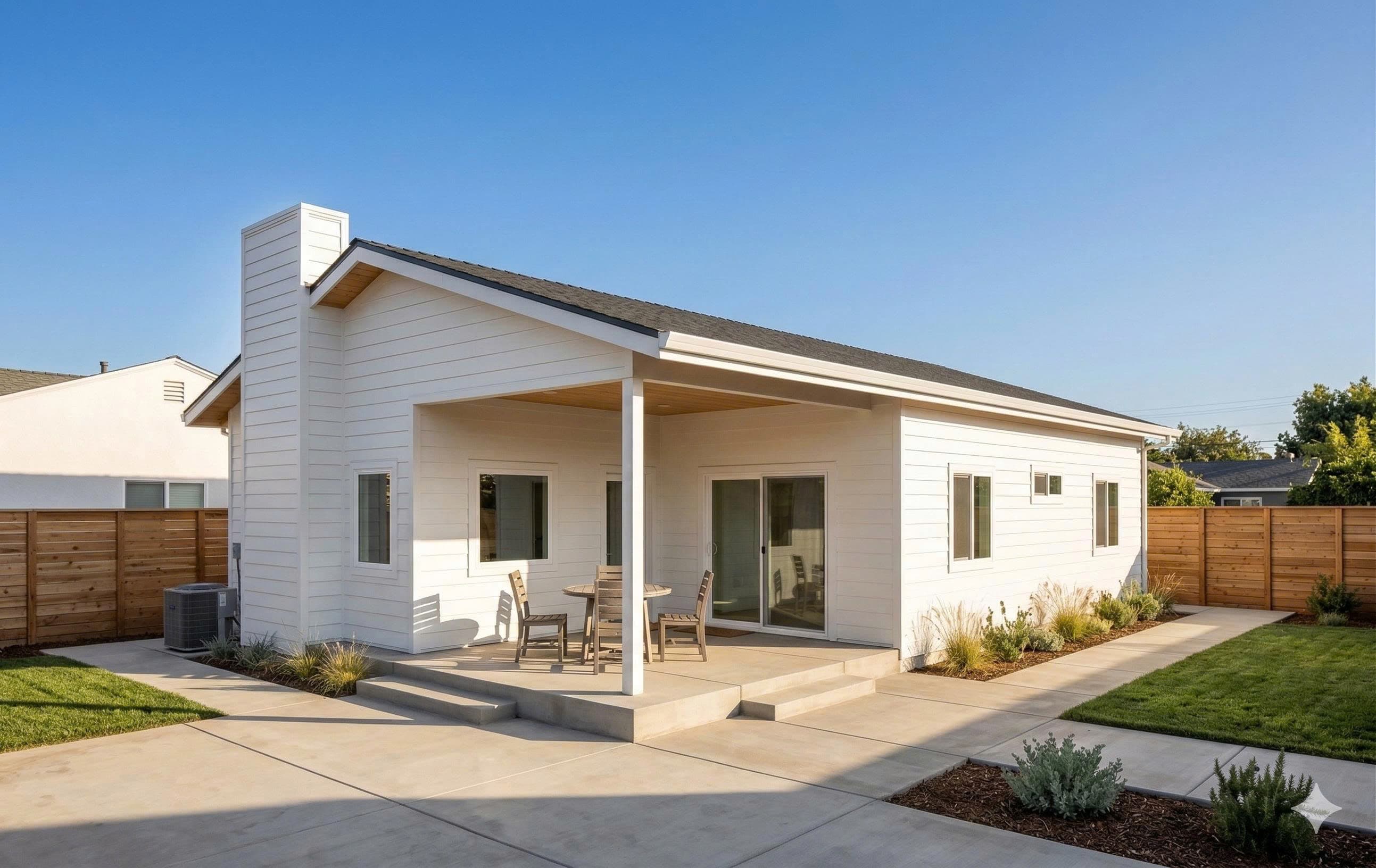
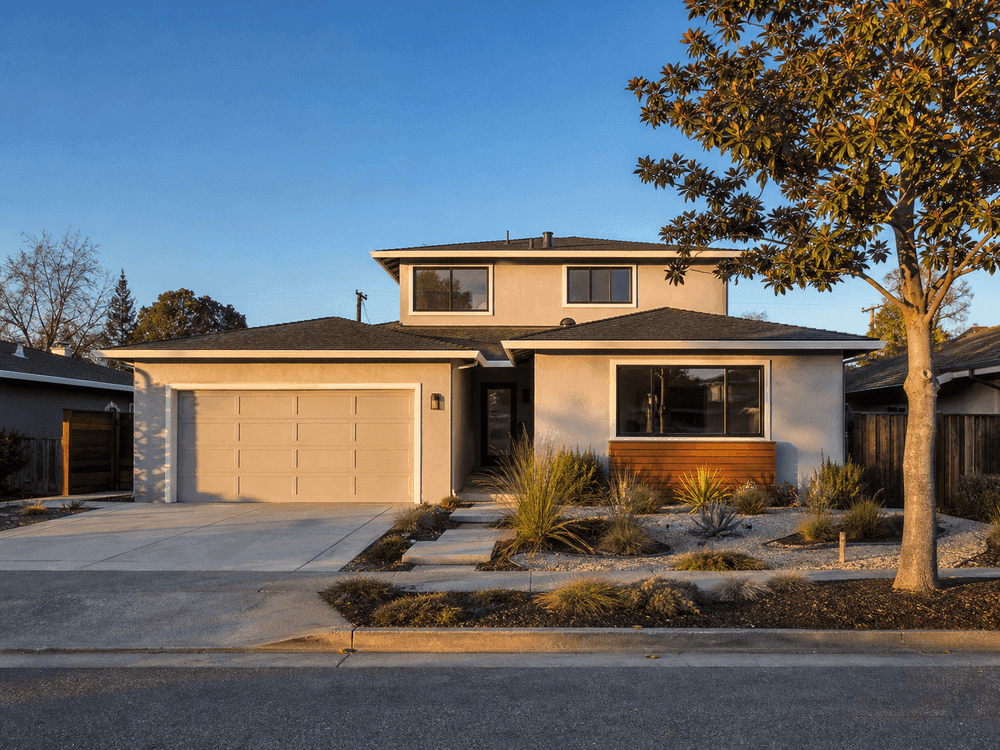
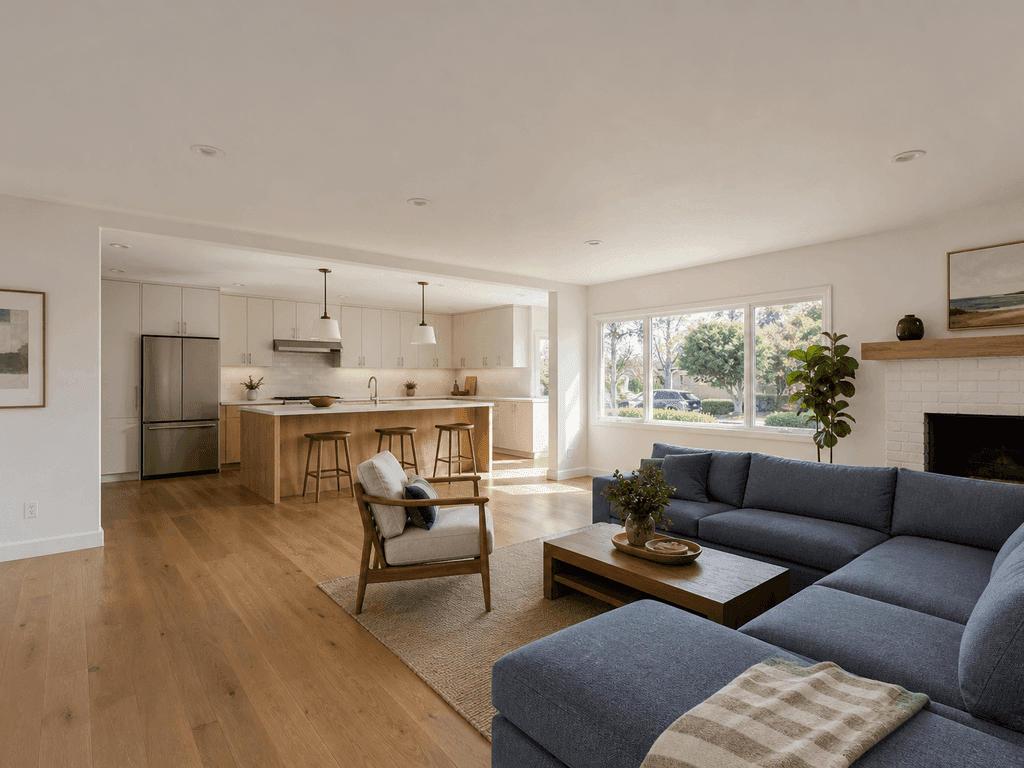
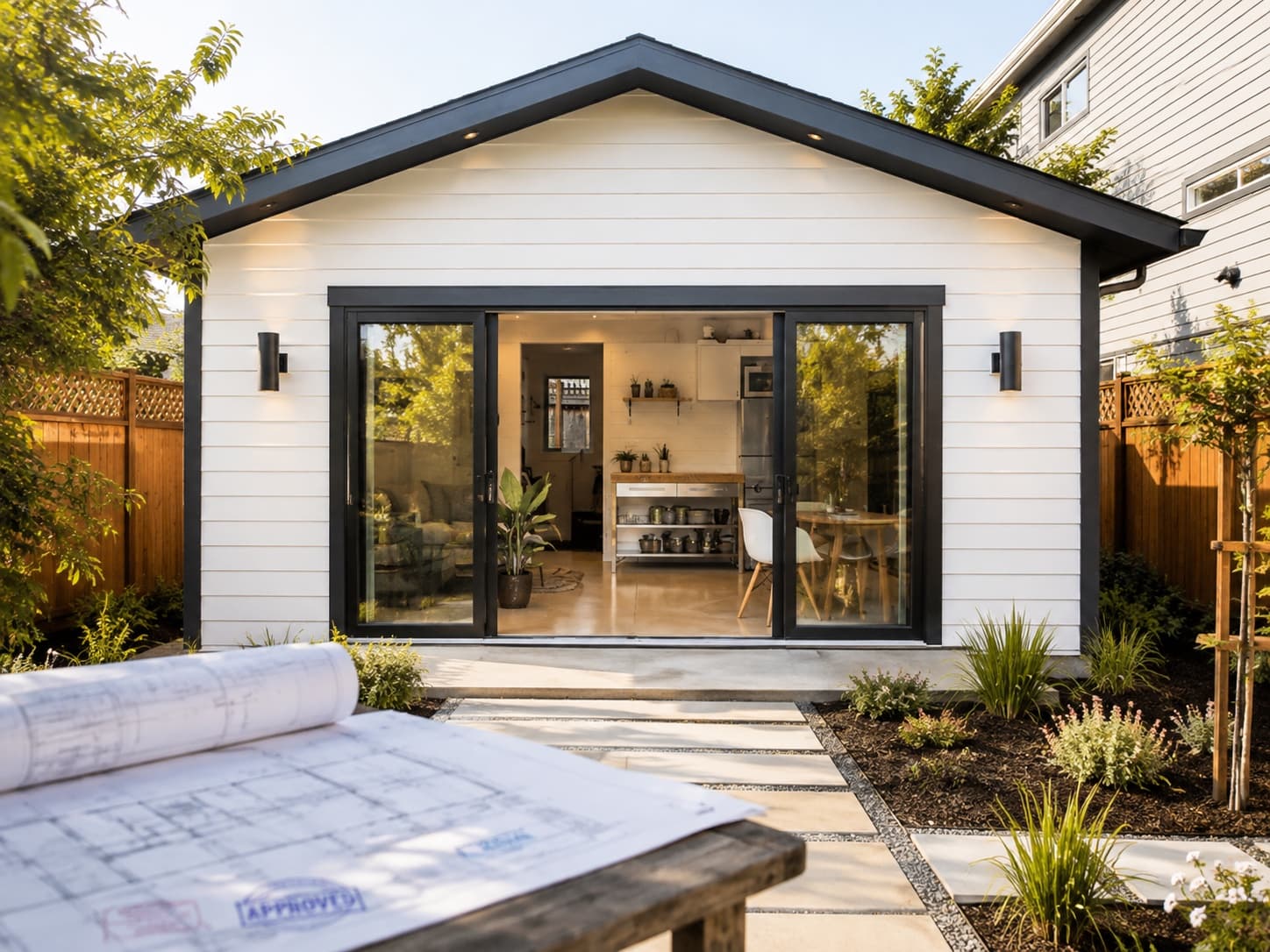
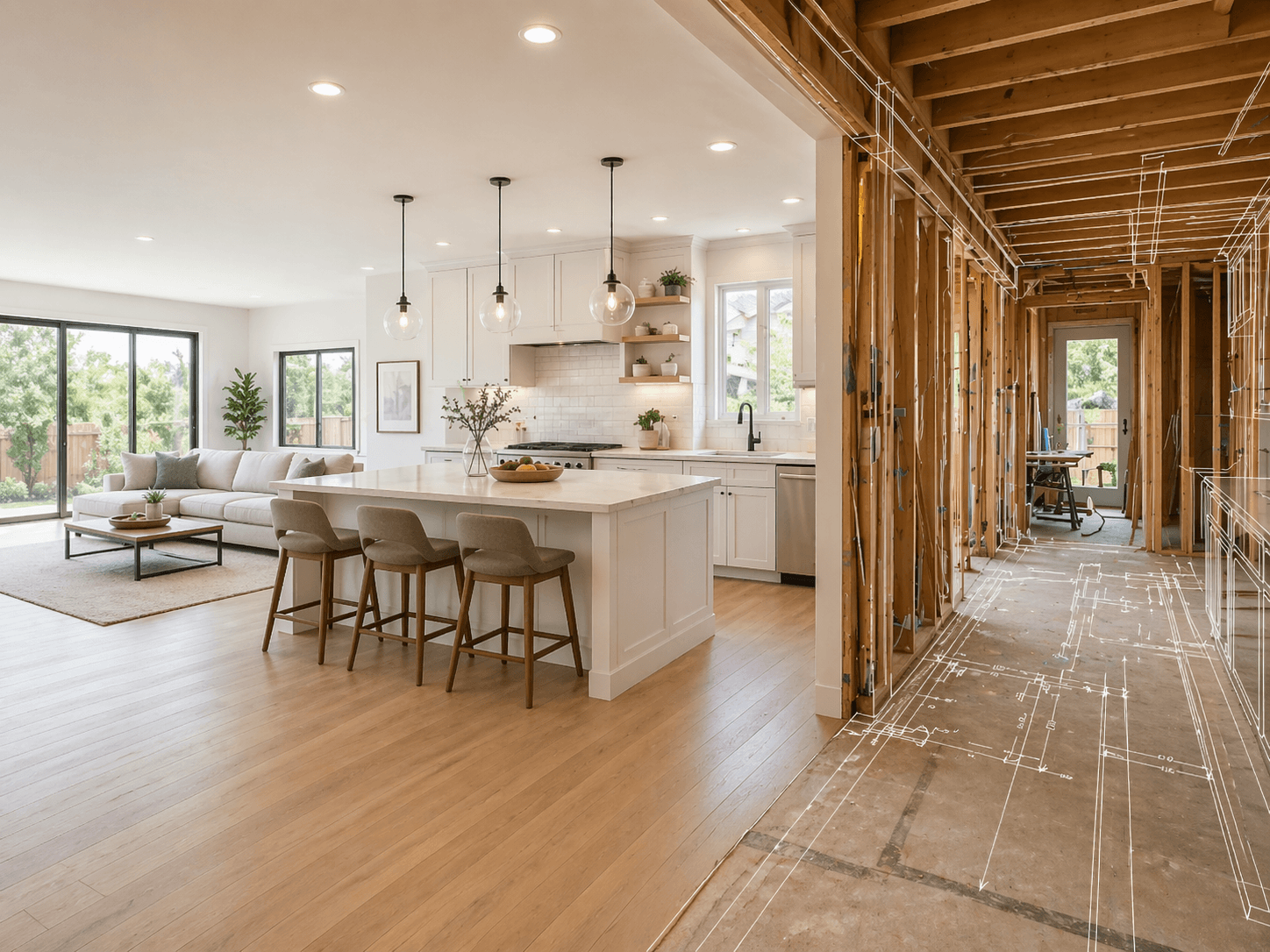
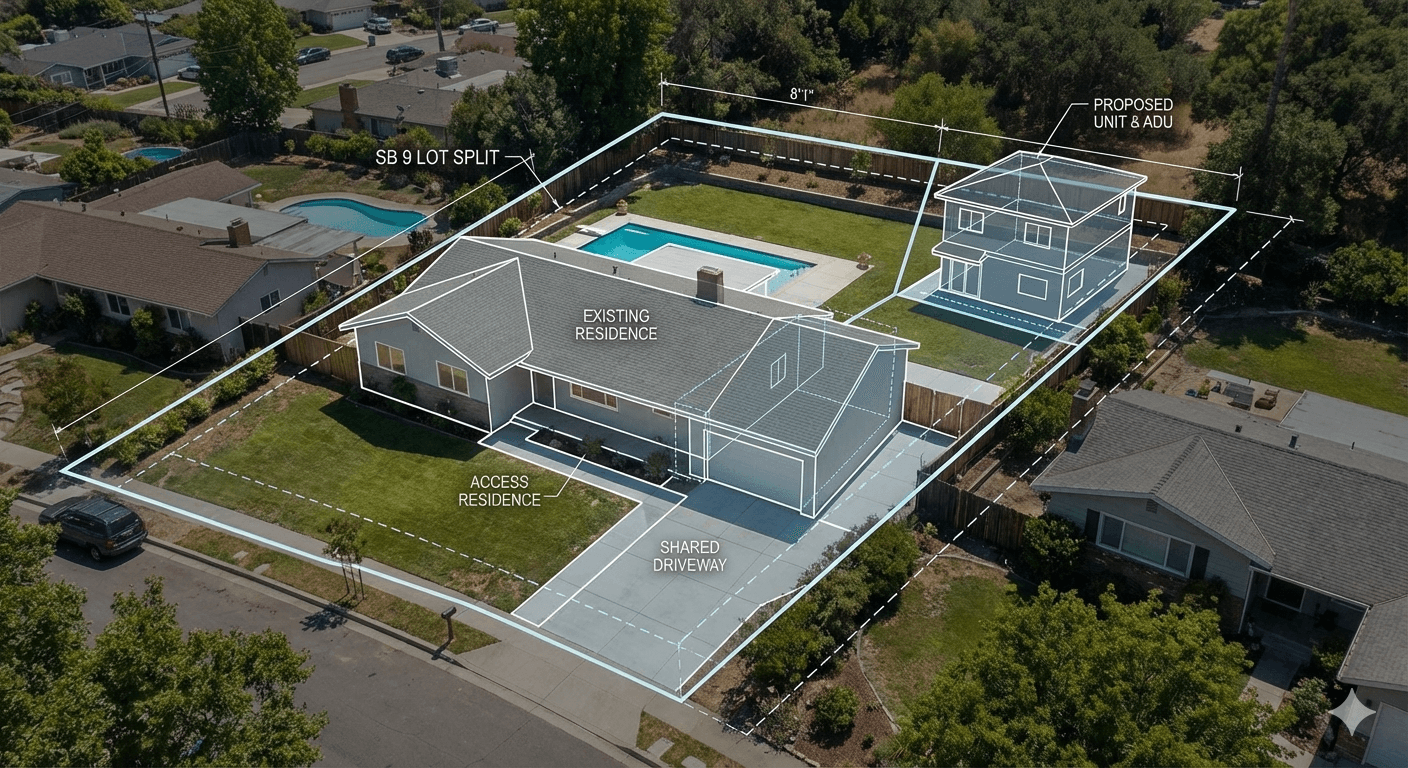
Use architectural design when the project changes how a home is used or adds floor area. ADUs, home additions, whole-house remodels, garage conversions, and interior reconfigurations begin with the property, homeowner goals, and jurisdictional limits. The design team checks the proposed layout against setbacks, height, lot coverage, access, parking, fire separation, and other city requirements that may affect the concept. Existing drawings, recent photos, the property address, and a concise description of the desired space are useful first inputs. When records are incomplete, field verification may be needed before the plans can be finalized.
Structural Engineering and Existing Conditions
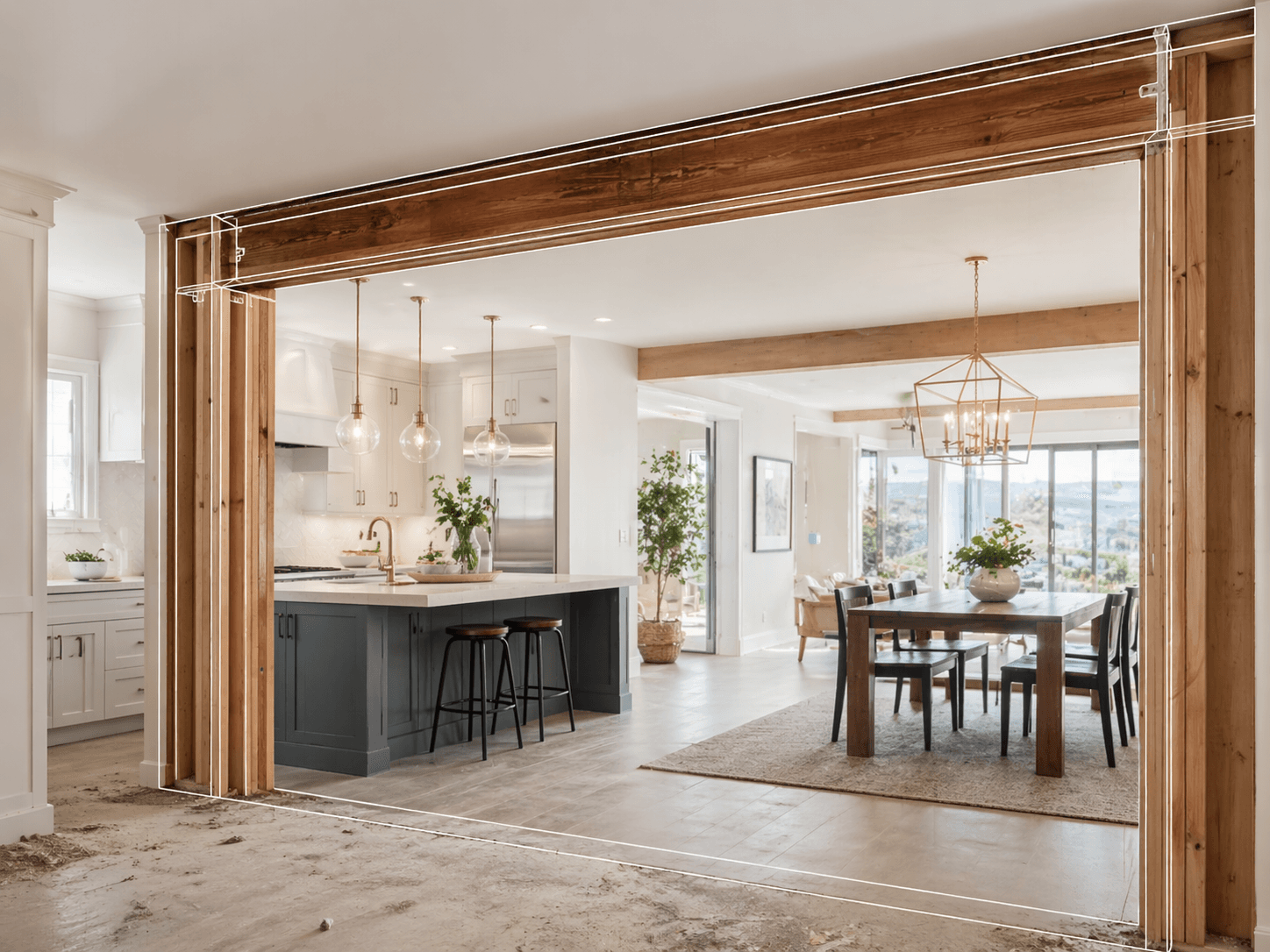
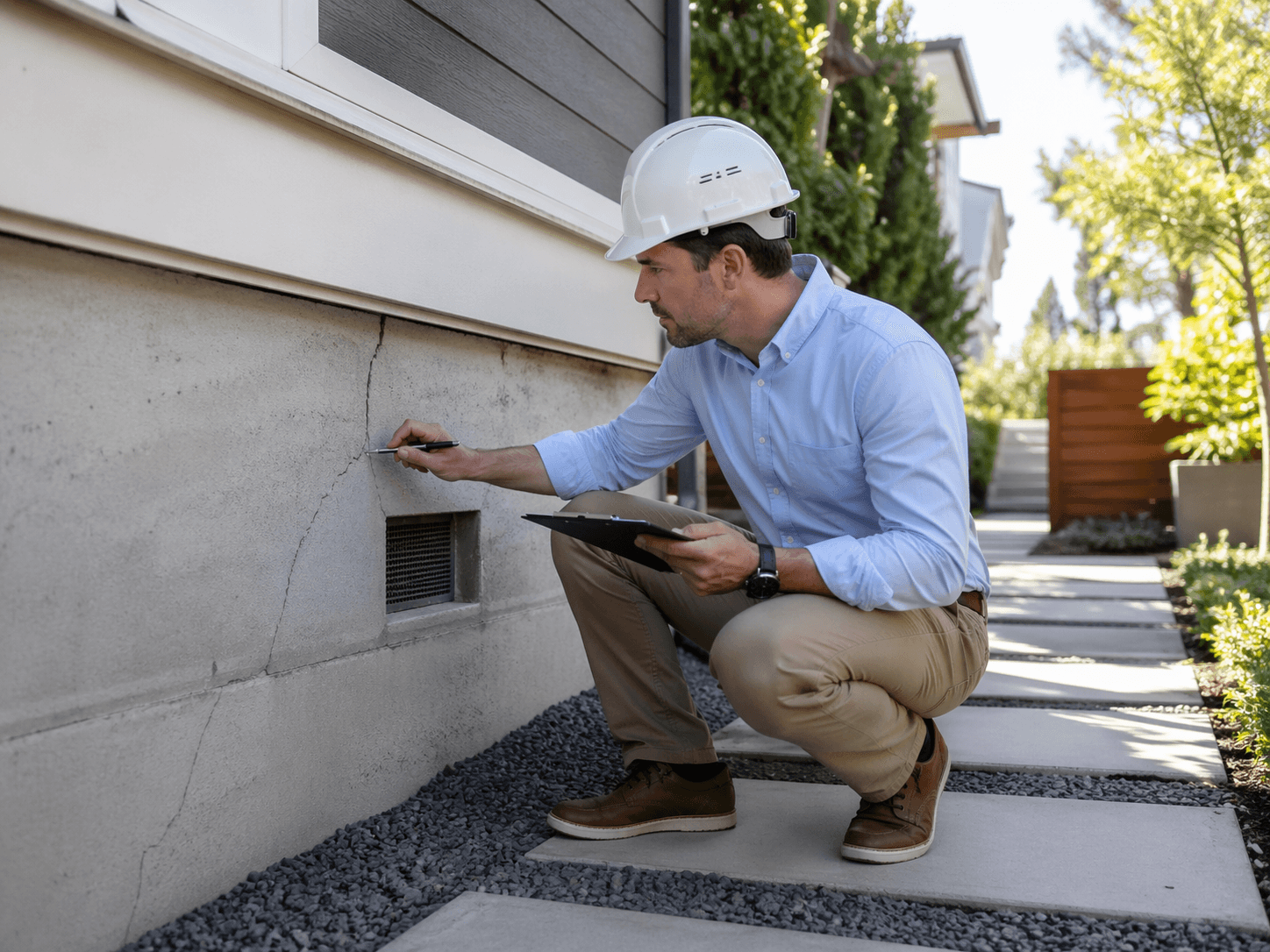
Use structural engineering when work affects load paths, foundations, framing, lateral resistance, or other safety-critical parts of the building. Common examples include load-bearing wall removal, new openings, second-story additions, foundation concerns, seismic retrofits, and structural corrections requested by a plan reviewer. An engineer needs enough evidence to understand what is present before specifying beams, posts, connections, footings, or retrofit details. Photos can support an initial conversation, but they do not replace measurements, record drawings, exploratory work, or an on-site inspection when those are necessary to verify concealed construction.
Building Permit Coordination and City Review
Use permit coordination when you need to assemble a submittal, identify missing documents, respond to plan-check comments, or keep architectural and engineering revisions aligned. California cities do not all ask for the same forms, supporting studies, or drawing conventions. The scope may involve planning review, building review, structural calculations, Title 24 documents, utility information, or coordination with separate consultants. Permit fees and review duration are controlled by the authority having jurisdiction, so they should be confirmed for the specific address and project rather than inferred from a statewide average. A city correction notice is especially useful because it identifies the reviewer, discipline, and exact items still open.
Information to Share for an Initial Review
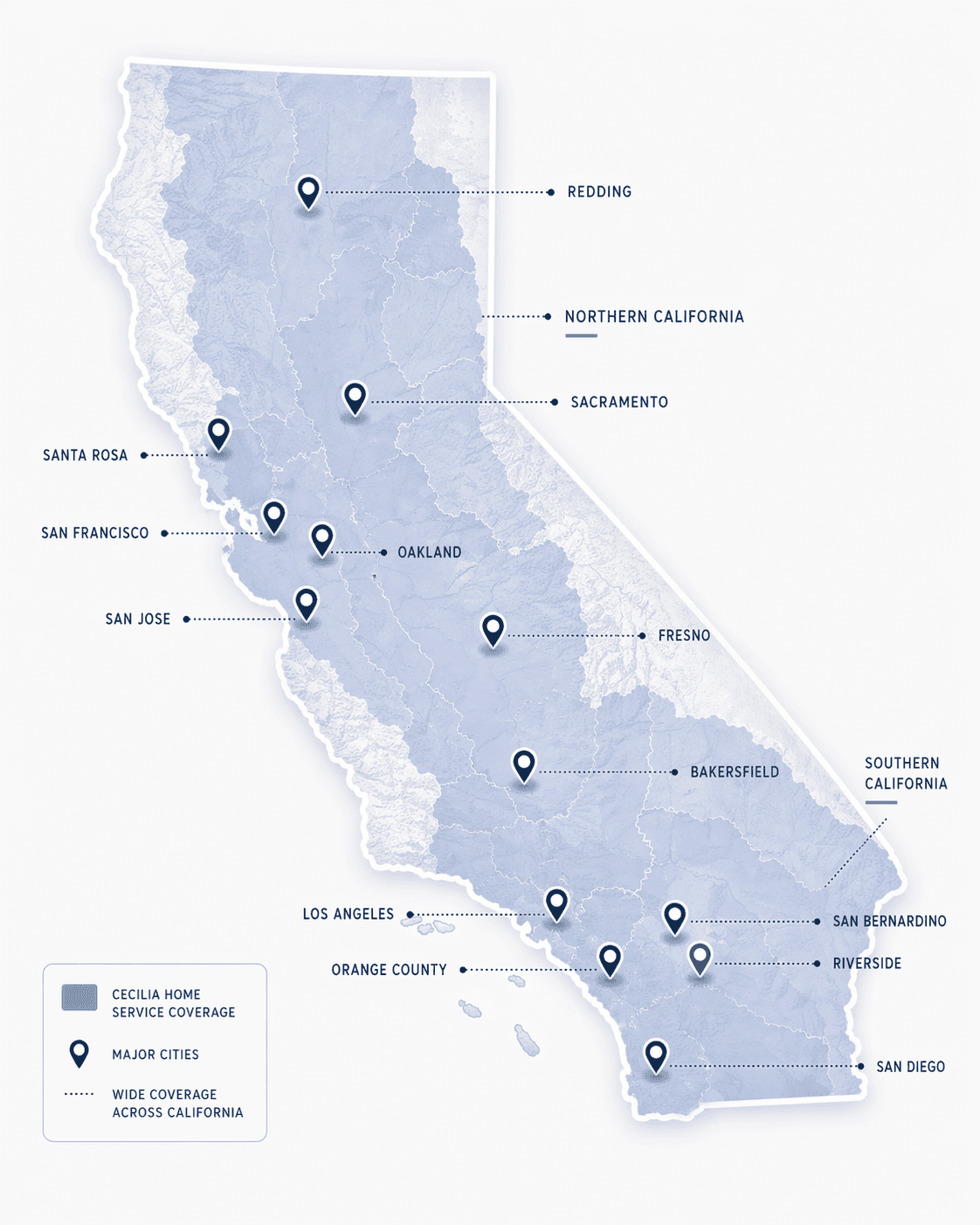
Start with the California property address, the building type, a plain-language description of the proposed work, available plans or city notices, and clear photos of the relevant areas. Include known constraints such as an occupied home, a target construction window, or an active correction deadline. Cecilia Home can then identify the likely design, engineering, inspection, and permit tasks that belong in the scope. Final requirements, professional conclusions, fees, and schedules depend on verified project conditions and the city’s current review process.